Wednesday, December 1, 2010

Car Wrecks for Dummies


With all the car crashes I've seen over the last week I thought it would be a great time to share this guide I wrote a few years ago. Please feel free to share the link with friends and family.

Car Wrecks for Dummies

Merry Christmas!

Dr. J

Friday, November 19, 2010

Three Meals Better For Weight Loss


Despite the common belief that eating more frequent smaller meals throughout the day is better for weight loss, a new study reveals three larger meals per day appears to be more effective. In the study, researchers found those who consumed three low-calorie, high-protein meals daily felt more satisfied and less hungry compared to those consuming six meals daily. Also, those consuming higher protein diets (25 percent of total calories from protein) felt fuller throughout the day compared with those consuming lesser amounts of protein (14 percent of total calories from protein). Researchers stated that smaller more frequent meals didn’t seem to be as effective for appetite control. Having ones appetite under control is critical for anyone attempting to restrict calories and experience effective, healthy long-term weight loss.

Author: ChiroPlanet.com
Source: Obesity. September 16, 2010.
Copyright: ProfessionalPlanets.com LLC 2010

Arthritis Affects More Than 20 Percent

 
What limits mobility, causes pain, affects more than 20 percent of the population and costs the U.S. $128 billion annually? Arthritis does, according to a newly released U.S. government report. Data from the government survey from 2007 through 2009 found close to 50 million people had been diagnosed with arthritis by their doctor. At an almost 30 percent rate of arthritis were the obese and those who exercised less, smoked more and had lower levels of education. By definition, arthritis is injury and inflammation of the joints. This causes pain, swelling, stiffness and limited motion. Doctors of chiropractic are experts at treating the many joints of the body in order to restore motion and nutrition to the joints, thereby reducing inflammation, stiffness and pain. One of the most common forms of treatment utilized by the chiropractor is the adjustment or manipulation of the joints. If you are suffering from pain, stiffness or swelling of one or more joints, schedule a consultation or examination from your local chiropractor today to see of chiropractic can help.

Author: ChiroPlanet.com
Source: Reuters. October 7, 2010.
Copyright: ProfessionalPlanets.com LLC 2010

Thursday, September 2, 2010

Don’t wait until you get sick—get ready for cold and flu season now!

You’ve probably heard about the benefits of vitamin C and zinc, but did you know that mushrooms such as reishi and maitake provide powerful support for a stressed immune system? Your daily supplement should include vitamin C, zinc, and antioxidants for comprehensive immune protection. Read on to discover more ways you can stay well during the cold and flu season.
5 Things You Can Do Now To Protect Your Immune System
  1. Sleep deep, and enough: Lack of sleep may cause inflammation in the body, which can challenge your immune system.
  2. Exercise more, stress less: Some studies show that even 20 minutes of exercise, three times a week, can increase the body’s immune function. Chronic stress leaves your body susceptible to stress hormones, which suppress the immune system.
  3. Eat an apple instead of drinking a soda: Boost your immunity with more antioxidants (fruits, vegetables, and mushrooms such as reishi and maitake). Processed sugar suppresses your immune system. Did you know that just one soda can reduce your body’s ability to destroy bacteria?
  4. Swap your cocktail for a green tea: The catechins in green tea are powerful antioxidants. In contrast, more than one alcoholic drink per day makes it difficult for your immune system to kill bacteria. The more you drink, the weaker your immune system.
  5. BEFORE you get a cold or flu, ask your healthcare provider for an immune-support supplement: Both vitamin C and zinc increase immune cell activity. Consuming an array of mushrooms such as reishi, shiitaki, and maitake are good for a stressed immune system.
Not all supplements are created equally
  • Make sure your supplement claims are backed by scientific research
  • Your supplement should be scientifically tested for quality and potency
  • Vitamin C that is “buffered” is less likely to upset your stomach
  • Mushrooms as heated “water extracts” may have a higher potency
  • Consider selenium and oleanolic acid for supporting immune cell activity
Don’t wait until you get sick! Ask us about an immune supplement that’s right for you.


Source: http://www.meta-ehealth.com/site/office/index.jsp

Thursday, July 29, 2010

House Passes Bill to Expand Chiropractic Care to All Major VA Medical Centers


The U.S. House of Representatives passed H.R. 1017, the "Chiropractic Care Available to All Veterans Act," tonight, putting America's veterans one step closer to gaining access to chiropractic care at all major Department of Veterans Affairs (VA) medical centers. The bill was approved 365:6.  
H.R. 1017 requires the VA to have doctors of chiropractic on staff at no fewer than 75 major VA medical centers before the end of 2011 and for all major VA medical centers to have a doctor of chiropractic on staff before the end of 2013. There are nearly 160 VA treatment facilities nationwide. Currently, the VA provides chiropractic care at 32 treatment facilities across the country. 
The bill comes after a recent VA report, "Analysis of VA Health Care Utilization Among Operation Enduring Freedom (OEF) and Operation Iraqi Freedom (OIF) Veterans," from Feb 2010 which cites "diseases of Musculoskeletal System/Connective System," such as back pain, as the number one ailment of Iraq and Afghanistan veterans accessing VA treatment. 
The American Chiropractic Association (ACA) believes that the inclusion of chiropractic care in the VA health care system would speed the recovery of many of the veterans returning from current operations in Iraq and Afghanistan. Chiropractic care has been proven to be a cost-effective and beneficial treatment option. In fact, a 2010 study published in Clinical Rehabilitation found that spinal manipulation provided better short and long-term functional improvement and more pain relief in follow-up assessments than other physiotherapy interventions. Furthermore, a 2003 study published in the medical journal Spine found that manual manipulation provides better short-term relief of chronic spinal pain than a variety of medications.
House VA Committee Chairman Bob Filner (D-CA), a strong supporter of extending chiropractic care benefits to military retirees and active-duty personnel, introduced the legislation. Over the years, Rep. Filner has worked closely with ACA in securing support for a number of pro-chiropractic measures.  Rep. Michael Michaud (D-ME), Ranking Member Steve Buyer (R-IN) and Rep. Jerry Moran (R-KS) also deserve recognition for their support of this legislation.
"For too long, veterans have been denied access to the chiropractic care that they want, need and deserve through the VA," said ACA President Rick McMichael, DC. "I am proud that ACA has worked closely with our congressional allies, such as Rep. Filner, on behalf of our nation's heroes and in support of this important bill."
Prior to congressional intervention over the past decade, no doctors of chiropractic served on the staff of any VA treatment facility. The availability of chiropractic care for eligible veterans was limited to VA "referrals" to doctors of chiropractic serving in private practice outside of the VA system. Such referrals were so rare that chiropractic care was essentially non-existent within the VA system.
"I am especially proud that the member institutions that comprise the Association of Chiropractic Colleges will play a pivotal role in preparing the next generation of doctors of chiropractic to serve our military veterans throughout the United States and overseas," said Frank J. Nicchi, DC, MS, President of the Association of Chiropractic Colleges. "This legislation will assist in making that possible."
In the U.S. Senate, a companion bill (S1204) has been introduced by Sen. Patty Murray (D-WA), who is a member of the Senate VA Committee. This legislation would also expand access to chiropractic care within the VA system.
The American Chiropractic Association, based in Arlington, Va., is the largest professional association in the United States representing doctors of chiropractic. ACA promotes the highest standards of ethics and patient care, contributing to the health and well-being of millions of chiropractic patients.

Author: American Chiropractic Association
Source: Acatoday.com. May 24, 2010.
Copyright: American Chiropractic Association 2010
 

Monday, July 26, 2010

Glucosamine Doesn’t Appear To Lessen Low Back Pain

With 80 percent of the population experiencing back pain sometime during their life, it would be nice if taking a natural supplement would be the cure. New research shows that supplementing with glucosamine, while potentially beneficial to the joints, doesn’t appear to be the silver bullet for low back pain. When Norwegian researchers randomly gave a group of 250 patients with chronic low back pain either glucosamine or a sugar pill for 6 months, there was little difference in pain outcomes. At both 6 and 12 months, there was no significant difference between those receiving the glucosamine or those receiving the sugar pill. And while glucosamine may still possess other benefits including success in certain cases of knee osteoarthritis, its ability to specifically lessen lower back pain does not appear to be one of them. If you’re suffering from back pain, don’t give up hope. Consult your local licensed doctor of chiropractic today to discover other safe and natural alternatives to reducing and eliminating your back pain.

Author: ChiroPlanet.com
Source: Reuters. July 7, 2010.
Copyright: ProfessionalPlanets.com LLC 2010


Saturday, June 19, 2010

How to heal with water

Today I'm sharing the true story of what is probably the
least-understood health secret in the Western world. It's something
your doctor never told you and health authorities never learned. And
yet it could be the key to solving the very health problems you may be
suffering from right now, including high blood pressure, asthma and
even arthritis.

This secret isn't patented. It's not available by prescription and it
costs almost nothing. In fact, from time to time, it falls out of the
sky and collects in huge pools on the Earth.

What is it? Water.

Water may someday be recognized as the single most important healing
medicine we could possibly consume, and our special report, "The
Healing Power of Water," explains why. You can read it right now at:

http://www.naturalnews.com/Report_water_cure_0.html

Physicians rarely promote the curative properties of H2O, but Dr.
Batmanghelidj, M.D. has studied water's effect on the human body and
has found it to be one of the best pain relievers and preventative
therapies in existence. I was one of the last people to interview the
late Dr. Batmanghelidj, and I listened in awe as he shared his
research and stories about "The Healing Power of Water."

In a fascinating one-hour phone conversation I will never forget, Dr.
B. shared things like:

* Which common ailments and "diseases" are actually caused by
dehydration

* Why many doctors use water-regulating antihistamines to alleviate
pain

* How Dr. Batmanghelidj unintentionally discovered water's healing
properties

* Why most people are chronically dehydrated and suffer from symptoms
of dehydration that are labeled "diseases"

* Which ingredients in soft drinks deplete the body's water reserves

* Why thirst is not a reliable indicator of dehydration

* Why the body produces cholesterol and how water keeps it in balance

* Why Dr. Batmanghelidj believes the public is being mislead about
AIDS

* How dehydration impairs mental functioning

* Why some organizations want to withhold alternative health
information from the public

* How lack of water causes depression

* Why popular beverages are no substitute for water

* How dehydration causes the vascular system to constrict, leading to
hypertension

* How to recognize signs that your body is starting to dehydrate

* Why restaurants push you to drink disease-promoting soft drinks

* Why and how water effectively treats pain and inflammation

Want to learn the rest of this fascinating story? Download "The
Healing Power of Water" right now and read it yourself. It's offered
in PDF format (Adobe Acrobat), so it works on any computer!

Learn more at:
http://www.NaturalNews.com/Report_water_cure_0.html

To your health,
- Mike Adams, the Health Ranger

Thursday, June 10, 2010

Music to Your Heart

They say music can soothe the soul, but did you know it may also improve your heart health? Research presented at the 2009 European Society of Cardiology Congress in Barcelona, Spain suggests music therapy reduces blood pressure, heart rate and anxiety in patients with acute coronary syndrome - any of a collection of symptoms, such as chest pain, brought on by sudden reduced blood flow to the heart.

Even more significantly, the researchers found that music therapy was also effective at reducing the incidence of future heart-related events, including the big one: sudden death.
All of the patients in the study had heart issues serious enough to necessitate revascularization, a surgical procedure designed to restore blood flow where it has been compromised or limited. That meant they were at risk for a future coronary event not only because of their heart health status, but also because the fear of a potential repeat surgery likely increased their stress and anxiety, which is never good for the heart.

And what type of music did the patients listen to during the study? Classical music appeared to be the general preference, but the lead author of the study emphasizes that music therapy may actually have a negative effect if patients are forced to listen to music they don't like, suggesting that the type of music (within reason) is not as important as whether you enjoy listening to it and how it affects your overall mood and stress levels.

So, whether you've been diagnosed with high blood pressure, heart disease or a related heart condition, are at risk for any of the above, or just want to keep your cardiovascular system in the best shape possible (why wouldn't you?), charge up your iPod and let your favorite tunes lead you down the road to a lifetime of health and wellness.

Dr Sean
Source: toyourhealth.com

Monday, May 31, 2010

High-Risk Moments for Your Low Back

When it comes to your lower back and injury risk, there are two critical times when you need to be especially careful:

  1. Your back is actually swollen in the morning. The discs have extra fluid in them. A careless forward bend or twist first thing in the morning can do substantial damage to your discs or other back structures.
  2. The other critical time is after you have been sitting. Long car drives or airplane trips are especially challenging. In this case, the culprit is something called "creep." This means that your ligaments and tendons lengthen into the position that you have been in. Ligaments do not provide protection properly when they have been lengthened by creep.

    How to minimise risk
    • The longer you have been sitting, the higher the risk.
    • If you have to sit for extended periods, take regular breaks. A short walk, some simple movements, can make a real difference.
    • Don't do any heavy lifting immediately after getting out of bed
    • Don't bend over immediately after sitting. After a long sit, give yourself at least a few seconds of backward bending and/or moving around to reset your spine. Then you can carefully, using your hips rather than your back, bend over to pick up something.
    • Sit up straight, and keep your back in neutral. Neutral means that you keep a bit of a lordosis in your lower back, keep the lumbar spine from slumping forward, stay more upright.
Source: http://www.facebook.com/note.php?note_id=10150197445930596&id=253880671739

Thursday, May 27, 2010

High Heels – The Chiropractic Perspective


Two publications carried an article based upon a release by the Foundation for Chiropractic Progress. The articles from the January 2, 2008 Hudson Valley Press, and the January 8, 2008 Indiana Star, discuss the perils of high heels from a chiropractic perspective. Dr. Gerard Clum spokesperson for the Foundation for Chiropractic Progress and president of Life Chiropractic College West in Hayward, California starts the article off by stating, "From a health standpoint, there's no good side to heels."
The FCP release notes that wearing high heels changes the biomechanics of walking, therefore affecting the foot, leg and spine. Dr. Clum notes, "Dangers associated with wearing high heels affect the entire body, particularly the knee, hip, and back." He continued, "The abnormal weight-bearing and stressful posture induced by high heels can strain both the low back and the neck, not to mention the foot, ankle, and knee."
The Foundation for Chiropractic Progress made several recommendations for women who wear high heels. These are:
If high heels must be worn, Dr. Clum advises not to wear them for more than two hours a day. He states, "Many high-heeled shoes do not allow for proper space and movement of the toes. Typically, the pointy toe of the shoe causes pain in the front of the foot, which creates pressure on the metatarsals."
Doctors at the Foundation are not suggesting flat shoes but they do suggest wearing heels of two inches or less as a compromise. Dr. Clum summed up the chiropractic perspective by saying, "The vast majority of women who come for chiropractic treatment do not associate the heel height of their shoes with their ailments. It is important for women to realize that their everyday choices, including what shoes to wear, will affect their entire body, not only their feet."

Source: DiMartino Chiropractic Center

Thursday, April 29, 2010

Sleep and Lose Weight


What if you could simply lose weight by getting more sleep, would you be interested? Well, new research indicates that this isn’t too far off. Researchers have found those who don’t get adequate sleep actually consume more calories than those who do. Researchers followed 12 healthy young men for two 48-hour sessions while recording their sleep, calorie consumption and activity level. They found those who got 4 hours of sleep versus 8 hours of sleep actually consumed 22 percent more calories. Thus, the lack of adequate sleep resulted in a significant increase in their caloric intake. Other studies have also found shorter sleep duration is associated with higher body mass index but this is the first to study the effects of sleep duration to calorie consumption in normal-weight individuals.

Author: ChiroPlanet.com
Source: American Journal of Clinical Nutrition, online March 31, 2010.
Copyright: ProfessionalPlanets.com LLC 2010

Saturday, April 24, 2010

Spinal Surgery Costs Surge


Older patients with lower back pain are increasingly getting more complex and costlier spinal fusion surgeries, resulting in higher rates of life-threatening complications and increasing costs for the healthcare system, U.S. researchers said on Tuesday. A study of records from the federal Medicare program for the elderly and disabled between 2002 and 2007 revealed a 15-fold increase in the rate of complex surgeries to treat spinal stenosis -- a common condition in the elderly in which the spinal canal narrows, causing pain in the back and legs. And while the number of overall procedures to treat this problem dipped during the period, hospital charges for those surgeries rose by 40 percent on an inflation-adjusted basis, Dr. Richard Deyo of the Oregon Health and Science University in Portland and his colleagues reported in the Journal of the American Medical Association. In a telephone interview Deyo said the trend in part is related to the introduction of new technology, such as spinal cages and special screws used to fuse vertebrae together. But it also reflects savvy marketing by orthopedic device makers such as Stryker Corp., Medtronic Inc. and Johnson & Johnson's DePuy unit, that has convinced surgeons more complex surgery is better, Deyo said. Studies, however, suggest complex spinal fusion surgeries offer little benefit over simpler procedures for most patients, and increase the risk of complications. "It is driving up the cost of care without much evidence that it is improving care," Deyo said. A study last year published in JAMA found that the cost of treating spine problems in the United States rose 65 percent in the past decade to $85.9 billion a year, rivaling the economic burden of treating cancer, which costs $89 billion. Yet, for all of the spending, they found people with spine problems actually felt worse. Deyo's team studied three specific surgical procedures for lumbar stenosis: decompression, in which part of the vertebrae is removed to ease pressure on nerve roots; simple fusion, in which one or two discs are fused together through an incision in the back or abdomen; and complex fusion, in which more than 3 vertebrae are treated or the surgery is done from both the back and front. Overall, the procedure rate fell 1.4 percent during the study period, but rates of complex fusion surgery increased from 1.3 per 100,000 patients to 19.9 per 100,000. "What happened was the most complex type of surgery increased 15-fold over that period of time, a far more rapid increase than we could explain just on the basis of more severe disease," Deyo said. "What we also found is these more complex operations are associated with a higher rate of serious complications." Patients in the study who had a complex fusion procedure had a nearly three times higher odds of a life-threatening complication compared with those who only got decompression. And overall hospital charges rose 40 percent in inflation-adjusted dollars, the team found. Dr. Eugene Carragee of the Stanford University School of Medicine in California said in a commentary that the study should remind patients, doctors and insurance companies to carefully weigh the options for spinal surgery. "... the efficacy of basic spinal techniques must be assessed carefully against the plethora of unproven but financially attractive alternatives," Carragee wrote, noting that "financial incentives and market forces do not favor this careful assessment before technologies are widely adopted."

Author: Julie Steenhuysen
Source: Reuters Health. April 7, 2010.
Copyright: Reuters 2010 2010

Watch Food, Inc. Online through next Thursday, April 29, 2010.


Watch Food, Inc. Online


Food, Inc. will be streaming online in its entirety through next Thursday, April 29, 2010.

Thursday, April 22, 2010

Free Earth Day Shopping Bag While They Last

In celebration of Earth Day, my patients can come in and get a free WS&DC shopping/tote bag while they last.

No purchase necessary.

We're in the clinic Monday Wednesday and Friday

PS, This doesn't mean I believe in global warming
;-)

Tuesday, April 20, 2010

Manipulation Also Effective For Shoulder Problems


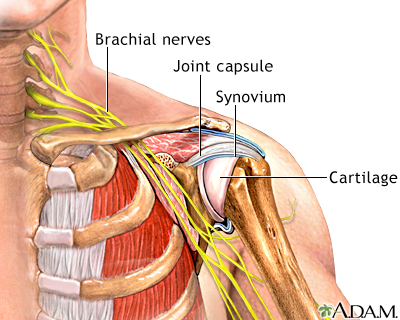
It’s no secret chiropractic care works wonders for many suffering from back, neck and spinal related problems. However, many are unaware that chiropractic care also provides excellent results in a number of non-spinal related conditions including those related to the extremities. Manipulative treatments chiropractors often apply to the spine are similarly used by chiropractors on the joints of the extremities including the hip, knee, ankle, foot, hand, wrist, elbow and shoulder joints. Manipulation of these joints involves a safe, controlled and specific force that is skillfully applied in order to restore normal joint motion that in turn provides nutrients to the joint, reducing inflammation and pain. Researchers recently conducted a study to compare the outcomes of treating patients with shoulder complaints with usual care from a general practitioner (medical doctor) both with and without the additional care of manipulative therapy applied directly to the shoulder girdle. At 12 weeks after initiating care, those receiving the additional manipulative therapy had better outcomes related to shoulder pain, neck pain. At 26 weeks, those receiving the additional manipulative therapy had statistically superior outcomes in shoulder pain, shoulder mobility and mobility of the neck. If you’re suffering from extra-spinal problems such as problems with the legs, hips or arms, call our office for an appointment to see if safe, natural and effective chiropractic care might be the solution for you!


Author: ChiroPlanet.com
Source: JMPT. Volume 33, Issue 2, Pages 96-101 (February 2010).
Copyright: ProfessionalPlanets.com LLC 2010

Thursday, April 15, 2010

EMBARRASSING MEDICAL EXAMS


EMBARRASSING MEDICAL EXAMS

1. A man comes into the ER and yells......
''My wife's going to have her baby in the cab.''
I grabbed my stuff, rushed out to the cab, lifted the lady's
dress and began to take off her underwear.
Suddenly I noticed that there were several cabs - - -
and I was in the wrong one.

Submitted by Dr. Mark MacDonald,
San Francisco

2. At the beginning of my shift
I placed a stethoscope on an elderly
and slightly deaf female patient's anterior chest wall.
''Big breaths,''. . . I instructed.....
''Yes, they used to be,'' replied the patient.
Submitted by Dr. Richard Byrnes,
Seattle , WA

3.. One day I had to be the bearer of bad
news when I told a wife that her husband had

died of a massive myocardial infarct.
Not more than five minutes later, I heard her
reporting to the rest of the family that he had

died of a 'massive internal fart.'
Submitted by Dr... Susan Steinberg

4. During a patient's two week follow-up
appointment with his cardiologist, he informed

me, his doctor, that he was having trouble with

one of his medications..

''Which one ?''. . . I asked. ''The patch....
The Nurse told me to put on a new one every six hours and now I'm running out of places to put it !''
I had him quickly undress and discovered what I hoped
I wouldn't see.

Yes, the man had over fifty patches on his body!
Now, the instructions include removal of
the old patch before applying a new one.
Submitted by Dr. Rebecca St. Clair,
Norfolk , VA

5. While acquainting myself with a new elderly patient,
I asked, ''How long have you been bedridden?''

After a look of complete confusion she answered . . .
''Why, not for about twenty years - when my husband was alive.''
Submitted by Dr. Steven Swanson-
Corvallis , OR

6. I was performing rounds at the
hospital one morning and while checking

up on a man I asked . . .''So how's your

breakfast this morning?'' ''It's very good

except for the Kentucky Jelly. I can't seem

to get used to the taste.''..... Bob replied.

I then asked to see the jelly and Bob produced
a foil packet labeled 'KY Jelly.'
Submitted by Dr. Leonard Kransdorf,
Detroit

7. A nurse was on duty in the Emergency Room
when a young woman with purple hair styled

into a punk rocker Mohawk, sporting a variety

of tattoos, and wearing strange clothing,

entered . . . It was quickly determined that

the patient had acute appendicitis, so she was

scheduled for immediate surgery. When she was completely disrobed on the operating table, the staff noticed that her pubic hair had

been dyed green and above it there was a

tattoo that read . . .''Keep off the grass.''

Once the surgery was completed, the surgeon
wrote a short note on the patient's dressing,

which said ''Sorry . . . had to mow the lawn.''
Submitted by RN no name

AND FINALLY!! ! . . . . . .. . ... . . . . . . .

8. As a new, young MD doing his residency in OB.

I was quite embarrassed when performing female
pelvic exams........ To cover my embarrassment

I had unconsciously formed a habit of whistling softly.

The middle-aged lady upon whom I was performing this exam suddenly burst out laughing
and further embarrassing me.
I looked up from my work and sheepishly said.. . ....
"I'm sorry. Was I tickling you?''

She replied with tears running down

her cheeks from laughing so hard.....

''No doctor but the song you were whistling was.....
'I wish I was an Oscar Meyer Wiener'

Sunday, April 11, 2010

Manipulation Also Effective For Shoulder Problems

It’s no secret chiropractic care works wonders for many suffering from back, neck and spinal related problems. However, many are unaware that chiropractic care also provides excellent results in a number of non-spinal related conditions including those related to the extremities. Manipulative treatments chiropractors often apply to the spine are similarly used by chiropractors on the joints of the extremities including the hip, knee, ankle, foot, hand, wrist, elbow and shoulder joints. Manipulation of these joints involves a safe, controlled and specific force that is skillfully applied in order to restore normal joint motion that in turn provides nutrients to the joint, reducing inflammation and pain. Researchers recently conducted a study to compare the outcomes of treating patients with shoulder complaints with usual care from a general practitioner (medical doctor) both with and without the additional care of manipulative therapy applied directly to the shoulder girdle.

At 12 weeks after initiating care, those receiving the additional manipulative therapy had better outcomes related to shoulder pain, neck pain. At 26 weeks, those receiving the additional manipulative therapy had statistically superior outcomes in shoulder pain, shoulder mobility and mobility of the neck.

If you’re suffering from extra-spinal problems such as problems with the legs, hips or arms, call our office for an appointment to see if safe, natural and effective chiropractic care might be the solution for you!

Author: ChiroPlanet.com
Source: JMPT. Volume 33, Issue 2, Pages 96-101 (February 2010).
Copyright: ProfessionalPlanets.com LLC 2010

Saturday, April 10, 2010

The cold, hard facts about omega-3 essential fatty acids


Over 19,000 scientific articles examine the benefits of omega-3 fatty acids. For more than 20 years, researchers have conducted studies with over 10,000 people to see how omega-3s—namely eicosapentaenoic acid (EPA) and docosahexaenoic acid (DHA)—may help maintain health and prevent disease. And it really all began in the early 1970s when Danish researchers went to Greenland to discover how an Eskimo tribe eating a high fat/choleterol diet could still be so much healthier heartwise than those consuming a Western diet. The difference was healthy omega-3s from seafood. This also may explain why Japan and Iceland—where more marine fatty acids are consumed—enjoy extended health as well.


EPA/DHA consumption may be the key for healthy aging. The strongest evidence for EPA/DHA intake is for supporting heart health and reducing risk of serious cardiac events—and is recommended by the American Heart Association. EPA and DHA also have anti-inflammatory effects and may be suggested as adjunctive therapies for autoimmune disorders like inflammatory bowel disease and rheumatoid arthritis (to relieve joint stiffness/tenderness). These omega-3s have also demonstrated benefits in helping reduce age-related macular degeneration and dementia to promote healthy aging. And preliminary studies have shown promise in supporting a postive mood.


How much EPA/DHA is right for you? Depending on your health goals, concentrated doses of EPA and/or DHA may be recommended. And here, perhaps more than anywhere else, is where supplement quality really counts due to public warnings about consuming polluted marine life.


We can help you find the right EPA/DHA supplement for your needs. Please contact the office today to set up an appointment.


source: http://joshsube.meta-ehealth.com/site/login.jsp

Tuesday, April 6, 2010

Snow-Shoveling Safety Tips


The recent record cold weather and snow across much of the US has also seen a rise in articles advising people in areas of the country affected by snow, on how to safely remove snow when needed. Although much of the country rarely or never has to shovel snow, the tips from these articles can be applied to many similar activities.

One of two such articles appeared in the December 2009 issue of To Your Health magazine and the other on the NorthJersey.com local news website on January 6, 2010. The To Your Health article points out that the average shovel full of snow weighs about 5 to 10 pounds. They point out that the combination of bending, lifting, and twisting, along with the exposure to freezing weather conditions, can be stressful on the spine.

The two articles gave a list of helpful hints for proper snow shoveling to avoid spinal problems. These hints can not only be applied to snow shoveling, but also to many other similar activities. These include the following.


  • Do a warm-up first. A tight, stiff body is asking for injury. 
  • Layer your clothing. Layered clothing will keep your muscles warm and flexible. 
  • Wear the right shoes. Choose shoes with plenty of cushioning in the soles to absorb the impact of walking on hard, frozen ground. 
  • Use the right size shovel. Your shovel should be about chest high on you, allowing you to keep your back straight when lifting. 
  • Drink lots of water. Drinking water frequently throughout the day helps to keep muscles and body hydrated. 
  • Use proper posture. When you do shovel, bend your knees and keep your back straight while lifting with your legs. Push the snow straight ahead; don't try to throw it. 
  • Take your time. Working too hard, too fast is an easy way to strain muscles. Take frequent breaks. 
  • See your chiropractor. Gentle spinal manipulation will help keep your back flexible and minimize the chance for injury. If you do overdo it, your chiropractor can help you feel better and prevent more injury. 


From: http://www.dimartinochiropractic.com/templates20/article/1969.html